
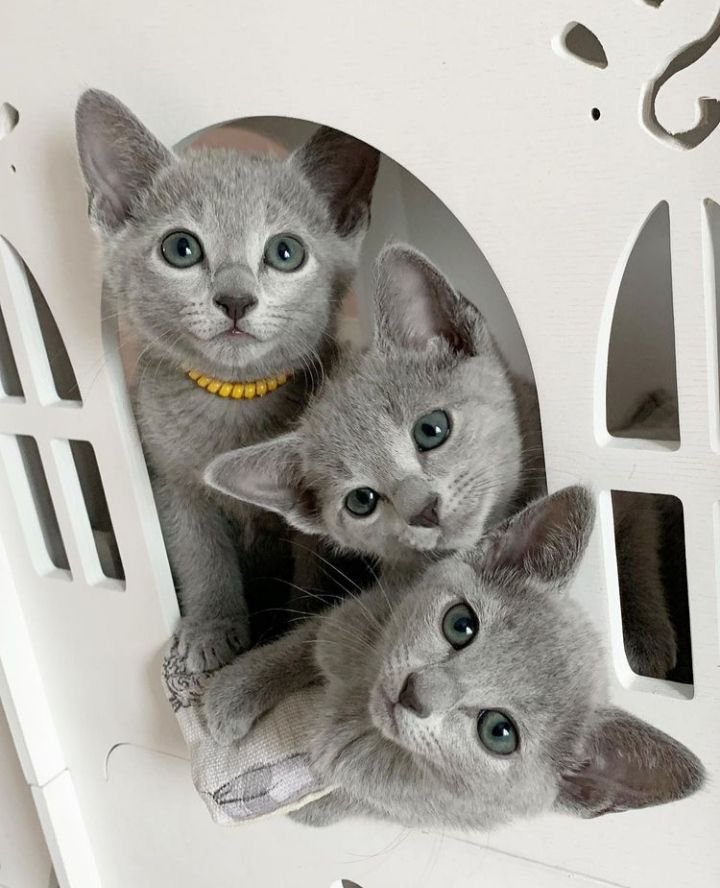
The Complete Guide to Buying and Raising Russian Blue Kittens in Austin, Texas
Everything you need to know before bringing home your Russian Blue kitten - from choosing a reputable breeder to raising a healthy, happy companion for 15-20 years.
Table of Contents
- 1. Choosing a Reputable Russian Blue Breeder in Austin
- 2. What to Expect When Buying a Russian Blue Kitten
- 3. Preparing Your Home for Your New Kitten
- 4. The First Week: Adjustment and Bonding
- 5. Nutrition and Feeding Your Russian Blue
- 6. Health Care and Veterinary Needs
- 7. Grooming Your Silver-Blue Coat
- 8. Training and Socialization
- 9. Common Questions from New Owners
If you're considering buying a Russian Blue kitten in Austin, Texas, you're about to embark on an incredible journey. Russian Blues are one of the most sought-after cat breeds in the world, known for their stunning silver-blue coat, emerald green eyes, and gentle, intelligent temperament. As professional Russian Blue breeders with over 10 years of experience in Austin, we've helped hundreds of families find their perfect kitten.
This comprehensive guide covers everything you need to know - from choosing a reputable breeder to raising a healthy, happy Russian Blue cat for 15-20 years. Whether you're a first-time cat owner or an experienced feline enthusiast, this article will give you the knowledge and confidence to make the best decisions for your new companion.
1. Choosing a Reputable Russian Blue Breeder in Austin, Texas
The most important decision you'll make is choosing where to buy your Russian Blue kitten. A reputable breeder makes all the difference in your kitten's health, temperament, and long-term well-being.
What to Look for in a Russian Blue Breeder
- Health Testing: Reputable breeders test their breeding cats for genetic conditions, FeLV/FIV, and cardiac issues. Ask to see health certificates.
- Health Guarantee: Look for a minimum 1-2 year genetic health guarantee. This shows the breeder stands behind their kittens.
- Home Environment: Kittens should be raised in a home environment, not cages. They need socialization with people and household sounds.
- Age to Go Home: Kittens should stay with their mother until at least 12-14 weeks. This is crucial for proper development and socialization.
- Documentation: You should receive pedigree papers, veterinary records, vaccination history, and a written contract.
- Lifetime Support: The best breeders offer ongoing support and are available to answer questions throughout your cat's life.
Red Flags to Avoid
- • Breeders who won't let you visit their facility
- • Kittens available to go home before 12 weeks of age
- • No health guarantee or veterinary records
- • Multiple litters available at all times (kitten mill)
- • Unusually low prices (quality breeding is expensive)
- • Pressure to buy immediately without time to think
In Austin, Texas, you'll find several Russian Blue breeders, but not all maintain the same standards. Take your time, ask questions, and visit multiple breeders if possible. A reputable breeder will welcome your questions and be transparent about their breeding practices.
2. What to Expect When Buying a Russian Blue Kitten
Understanding the buying process helps you know what's normal and what to expect from a professional breeder.
The Reservation Process
Most reputable breeders in Austin require a deposit to reserve a Russian Blue kitten. This is typically $200-$400 and is applied to the final purchase price. The deposit secures your place in line and shows your commitment.
What's Included
- Health certificate from licensed vet
- Age-appropriate vaccinations
- Deworming treatments
- Microchip pre-registered
- Pedigree documentation
- Starter kit (food, toys, blanket)
- Written health guarantee
Typical Timeline
- Week 0-8: Kittens are with mother, nursing and learning social skills
- Week 8-12: Weaning, litter training, first vaccinations, socialization
- Week 12-14: Ready to go home! Final vet check, second vaccinations
- After Pickup: Ongoing breeder support, follow-up check-ins
3. Preparing Your Home for Your New Russian Blue Kitten
Before bringing your Russian Blue kitten home to Austin, you'll need to kitten-proof your space and gather essential supplies.
Essential Supplies Checklist
Food & Water
- • High-quality kitten food (ask breeder for brand)
- • Stainless steel or ceramic food bowls
- • Water fountain or multiple water bowls
- • Treats for training and bonding
Litter Box Setup
- • Large litter box (not covered initially)
- • Unscented clumping litter
- • Litter scoop and mat
- • Litter box liners (optional)
Comfort & Sleep
- • Soft bed or blanket
- • Carrier for vet visits
- • Heating pad for first few nights
- • Quiet room for adjustment period
Play & Enrichment
- • Variety of toys (wands, balls, mice)
- • Scratching posts (multiple)
- • Cat tree or climbing structure
- • Puzzle feeders for mental stimulation
Kitten-Proofing Your Austin Home
Russian Blue kittens are curious and intelligent, which means they can get into trouble! Here's how to make your home safe:
- Secure toxic plants: Remove lilies, philodendrons, pothos, and other toxic plants. Russian Blues love to nibble on greenery.
- Hide electrical cords: Use cord covers or hide cords behind furniture. Kittens love to chew!
- Secure windows and balconies: Install screens and never leave windows open unsupervised.
- Store chemicals safely: Lock away cleaning products, medications, and other hazardous materials.
- Remove small objects: Rubber bands, hair ties, and small toys can be choking hazards.
4. The First Week: Adjustment and Bonding
The first week with your Russian Blue kitten is crucial for building trust and establishing routines. Russian Blues are naturally cautious, so patience is key.
Day 1: Arrival Day
- • Set up a quiet "safe room" with all essentials
- • Let your kitten explore at their own pace
- • Sit quietly in the room and let them come to you
- • Offer food and water, show them the litter box
- • Keep noise and activity levels low
- • Schedule vet appointment for within 72 hours
Days 2-7: Building Confidence
Gradually expand your kitten's territory as they become more comfortable. Russian Blues typically take 3-7 days to adjust to a new environment. During this time:
- • Spend time sitting on the floor at their level
- • Use treats and gentle play to build positive associations
- • Speak softly and move slowly around your kitten
- • Introduce one new room at a time
- • Maintain consistent feeding and play schedules
- • Handle your kitten gently for short periods daily
Important: Russian Blues form deep bonds with their families, but they need time to trust. Don't be discouraged if your kitten is shy at first. Within a few weeks, they'll likely be following you from room to room!
5. Nutrition and Feeding Your Russian Blue Kitten
Proper nutrition is the foundation of your Russian Blue's health. These cats are prone to weight gain as adults, so establishing healthy eating habits from kittenhood is essential.
Choosing the Right Food
Look for high-quality kitten food with these characteristics:
- ✓ Real meat as the first ingredient (chicken, turkey, salmon)
- ✓ Minimum 30% protein for growing kittens
- ✓ DHA for brain development from fish oil or egg
- ✓ No by-products, fillers, or artificial colors
- ✓ AAFCO certified for kitten growth
- ✓ Grain-free or limited grain options (cats are obligate carnivores)
What We Feed Our Russian Blue Kittens
At Archangel Silver, we feed our Russian Blue kittens premium, high-protein foods to support their growth and development. Here are our top recommendations:
🥇 Royal Canin Kitten Dry Food
Specially formulated for kittens up to 12 months. Contains optimal protein, vitamins, and minerals for healthy growth.
View on Chewy.com🥇 Wellness CORE Grain-Free Kitten Formula
High-protein, grain-free formula with real turkey and chicken. Excellent for Russian Blues' lean muscle development.
View on Chewy.com🥇 Blue Buffalo Wilderness Kitten Chicken Recipe
Grain-free, high-protein formula with real chicken. Contains DHA for brain and eye development.
View on Chewy.com🥫 Wet Food: Fancy Feast Kitten Pate
Great for hydration and variety. Mix with dry food or serve separately. Kittens love the texture!
View on Chewy.com💡 Breeder Tip: We send each kitten home with a starter supply of their current food. Continue feeding the same brand for at least 2 weeks before gradually transitioning to your preferred food.
Feeding Schedule by Age
8-16 Weeks
4 meals per day
Small, frequent meals support rapid growth and prevent hypoglycemia
4-6 Months
3 meals per day
Gradually reduce feeding frequency as kitten grows
6+ Months
2 meals per day
Transition to adult feeding schedule
Important Feeding Tips
- • Always provide fresh, clean water (consider a water fountain)
- • Measure portions - free feeding can lead to obesity
- • Transition foods gradually over 7-10 days to avoid digestive upset
- • Avoid milk and dairy - most cats are lactose intolerant
- • Never feed toxic foods: chocolate, onions, garlic, grapes, raisins
- • Use stainless steel or ceramic bowls (plastic can cause chin acne)
6. Health Care and Veterinary Needs
Russian Blues are one of the healthiest cat breeds, with an average lifespan of 15-20 years. Proper veterinary care ensures your kitten stays healthy throughout their life.
Vaccination Schedule
6-8 Weeks (Usually done by breeder)
• First FVRCP vaccine (Feline Viral Rhinotracheitis, Calicivirus, Panleukopenia)
10-12 Weeks
• Second FVRCP booster
• FeLV vaccine (Feline Leukemia) - recommended for kittens
14-16 Weeks
• Third FVRCP booster
• Rabies vaccine (required by law in Texas)
• FeLV booster
Annual Boosters
• FVRCP and Rabies boosters as recommended by your Austin vet
Spay/Neuter
Unless you have breeding rights, your Russian Blue should be spayed or neutered at 5-6 months of age. Benefits include:
- • Prevents unwanted litters and reduces pet overpopulation
- • Eliminates risk of reproductive cancers
- • Reduces spraying and marking behaviors in males
- • Prevents heat cycles in females
- • May reduce roaming and aggression
Common Health Issues in Russian Blues
While Russian Blues are generally healthy, be aware of these potential concerns:
Obesity
Russian Blues love food and can easily become overweight. Monitor portions, avoid free-feeding, and ensure daily play sessions.
Dental Disease
Start brushing teeth early. Provide dental treats and schedule professional cleanings as recommended by your vet.
Bladder Stones
Ensure fresh water is always available. Feed high-quality food and watch for signs of urinary issues.
Hypertrophic Cardiomyopathy
Rare in Russian Blues, but reputable breeders screen breeding cats. Annual vet checkups help catch issues early.
7. Grooming Your Russian Blue's Silver-Blue Coat
Russian Blues have a stunning double coat with a silvery-blue sheen. While they're relatively low-maintenance, regular grooming keeps their coat healthy and reduces shedding.
Weekly Grooming Routine
-
Brushing (1-2x per week): Use a stainless steel comb or soft slicker brush. Brush in the direction of hair growth to remove loose fur and distribute natural oils. Russian Blues shed moderately year-round.
-
Nail Trimming (every 2-3 weeks): Use cat nail clippers and trim just the sharp tip. Avoid the pink quick. Start when they're young to build tolerance.
-
Ear Cleaning (monthly): Check ears for dirt, wax, or odor. Clean with a vet-approved ear cleaner and cotton ball. Never use Q-tips.
-
Teeth Brushing (3-4x per week): Use cat toothpaste and a finger brush or small toothbrush. Start slowly and reward with treats.
-
Bathing (rarely needed): Russian Blues are meticulous self-groomers. Only bathe if they get into something messy or before a cat show.
8. Training and Socialization
Russian Blues are highly intelligent cats that respond well to positive reinforcement training. Their desire to please and food motivation make them excellent students.
What Russian Blues Can Learn
Basic Commands
- • Come when called
- • Sit and stay
- • High five / shake paw
- • Fetch toys
- • Walk on a leash
Advanced Skills
- • Use the toilet (toilet training)
- • Open doors and drawers
- • Ring a bell to go outside
- • Play hide and seek
- • Navigate agility courses
Training Tips for Success
- 1. Use Positive Reinforcement: Reward desired behaviors with treats, praise, or play. Never punish - Russian Blues are sensitive.
- 2. Keep Sessions Short: 5-10 minutes is ideal. End on a positive note before your kitten loses interest.
- 3. Be Consistent: Use the same commands and rewards every time. Train at the same time each day.
- 4. Start Early: Begin training as soon as your kitten arrives home. Young kittens learn quickly.
- 5. Use High-Value Treats: Find what your Russian Blue loves most - small pieces of chicken, tuna, or commercial treats.
- 6. Practice Patience: Some cats learn faster than others. Celebrate small victories!
Socialization for a Well-Adjusted Cat
Russian Blues are naturally reserved with strangers, but proper socialization helps them become confident, well-adjusted adults. The critical socialization period is 3-14 weeks, but you can continue socializing throughout their first year.
- • Introduce them to different people (men, women, children) in a calm, positive way
- • Expose them to household sounds (vacuum, doorbell, TV, music)
- • Handle paws, ears, mouth, and tail gently to prepare for grooming and vet visits
- • If you have other pets, introduce them slowly and supervised
- • Provide varied experiences - different rooms, textures, toys
- • Always let your kitten approach new things at their own pace
9. Common Questions from New Russian Blue Owners in Austin
Are Russian Blues good for first-time cat owners?
Absolutely! Russian Blues are gentle, clean, and relatively low-maintenance. They're intelligent and trainable, making them easier than many breeds. Their calm temperament and affectionate nature make them perfect for first-time owners in Austin who want a loyal companion.
How much does a Russian Blue kitten cost in Austin, Texas?
From a reputable breeder in Austin, expect to pay $1,200-$2,000 for a pet-quality Russian Blue kitten. Show-quality or breeding-rights kittens cost more. This price includes health guarantees, vaccinations, pedigree papers, and breeder support. Avoid unusually cheap kittens - they often come from kitten mills or backyard breeders without proper health testing.
Do Russian Blues get along with dogs and other cats?
Yes! Russian Blues typically get along well with other pets when properly introduced. They're gentle and non-aggressive. Introduce new pets slowly over 1-2 weeks, using scent swapping and supervised meetings. Russian Blues often form close bonds with other household pets.
Are Russian Blues truly hypoallergenic?
No cat is 100% hypoallergenic, but Russian Blues produce less Fel d 1 protein (the primary allergen) than most breeds. Many people with mild to moderate cat allergies report little to no reaction to Russian Blues. We recommend spending time with the breed before committing if you have allergies.
How long do Russian Blues live?
Russian Blues typically live 15-20 years with proper care. Some live even longer! They're one of the healthiest cat breeds with few genetic health issues. Regular vet care, high-quality nutrition, and plenty of love help ensure a long, healthy life.
What's the personality of a Russian Blue like?
Russian Blues are gentle, loyal, and intelligent. They bond deeply with their families and often follow their favorite person from room to room. They're playful but not hyperactive, affectionate but not demanding. They're reserved with strangers but warm and loving with their family. Perfect for families, singles, and seniors in Austin looking for a devoted companion.
Your Journey with a Russian Blue Begins Here
Bringing home a Russian Blue kitten is the beginning of a 15-20 year journey filled with love, companionship, and unforgettable moments. These elegant, intelligent cats make exceptional companions for families, singles, and seniors throughout Austin, Texas and beyond.
By choosing a reputable breeder, preparing your home properly, and providing excellent care, you're setting the foundation for a lifetime of happiness with your Russian Blue. Their stunning silver-blue coat, emerald green eyes, and gentle temperament will bring joy to your home every single day.
At Archangel Silver, we've been breeding champion bloodline Russian Blues in Austin for over 10 years. We're committed to raising healthy, well-socialized kittens and providing lifetime support to our families. Every kitten comes with a 2-year health guarantee, complete veterinary records, and our promise to be there whenever you need us.
Ready to Find Your Perfect Russian Blue Kitten?
View our available Russian Blue kittens from champion bloodlines, all raised with love in our Austin, Texas home. Reserve your kitten today!